
Bitcoin Shrugs Off BOJ Hike — Washington Delivers the Bigger Jolt
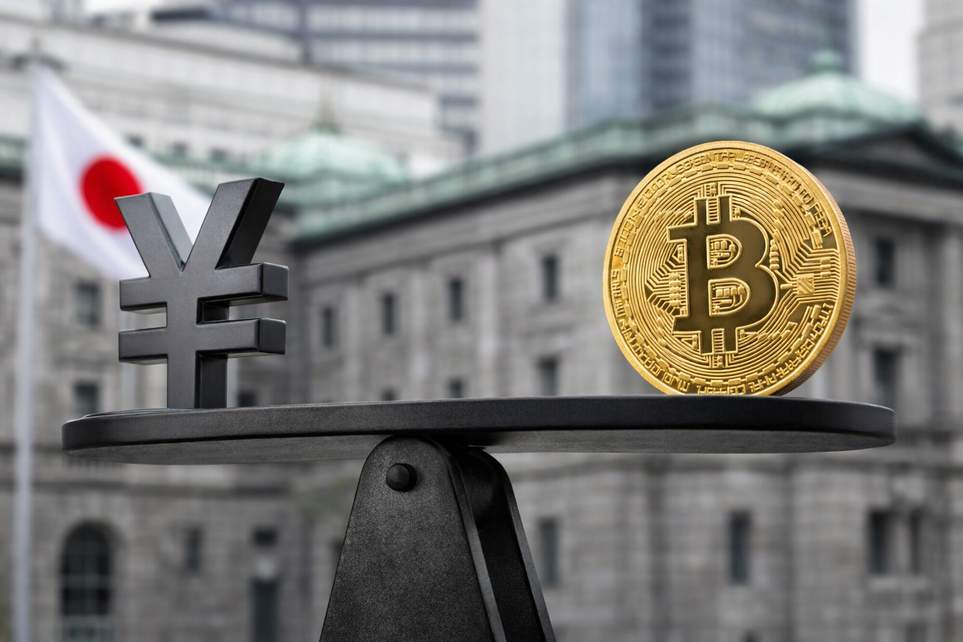
Short version: Tokyo raised rates, Bitcoin yawned, and then Washington reminded everyone who really runs the global liquidity show. In mid‑June the Bank of Japan nudged its benchmark rate up to 1% — the highest in decades — but crypto barely flinched. The real sell pressure arrived a day later when the Federal Reserve shifted its tone, hinting more tightening ahead. Here’s what actually mattered and why.
Tokyo’s tweak: carry trades, bond cushions, and a surprisingly tame reaction
For years Japan was the cheap-money vending machine for global carry trades: borrow yen at near-zero rates, swap into higher-yielding currencies or assets, and enjoy the spread. When Tokyo starts lifting rates, that whole financing party can deflate fast and force leveraged traders to sell stuff — and because Bitcoin trades nonstop and sits in many leveraged books, it’s often first in line to get pelted with exits.
This time around, though, the central bank’s move came with a twist. Alongside a short-term rate increase, the bank paused plans to shrink its government-bond buying and signaled it would keep a large bond-purchase program in place later on. In plain English: short-term policy tightened, but long-term yields were being capped to avoid a blow-up in the bond market. That packaging — plus the fact the hike was widely anticipated — kept panic selling to a minimum.
Other forces were in play too: energy-driven price pressures and a sliding currency nudged policymakers to act, but market positioning and a smaller pool of yen-funded leverage than during last year’s chaos also helped blunt the spillover. So Bitcoin’s calm wasn’t magic — it was the result of a hawkish-but-braked policy move that markets had mostly baked in.
But the bigger test came from Washington
If Tokyo was a polite prod, the Fed was a shove. The U.S. central bank left its rates where they were but took the easing lip service out of its statement and nudged forward the expectation of higher rates later in the year. That shift tightened the tone on global liquidity and is the kind of thing that makes risk assets — Bitcoin included — wobble.
In short: a single Japanese hike in isolation won’t topple crypto. What matters more is the cumulative path of global policy, and when the Fed signals it may tighten further, it can suck appetite out of risky positions just as reliably as any carry-trade unwind. So while Bitcoin shrugged at Tokyo, Washington’s message reminded traders that cheap money is still the fragile scaffolding under much of the market.
Takeaway: don’t bet on any one central-bank headline to tell the whole story. Watch both short‑term moves and the bond-market plumbing that supports carry trades. Bitcoin might act like the party guest who refuses to leave, but if the music — that is, global liquidity — keeps getting turned down, even the most stubborn guests eventually head for the door.
