
Who Gets to Shape Britain’s Digital Pound? How a Farage Complaint Turned it Into an Access Fight
The fuss in a nutshell
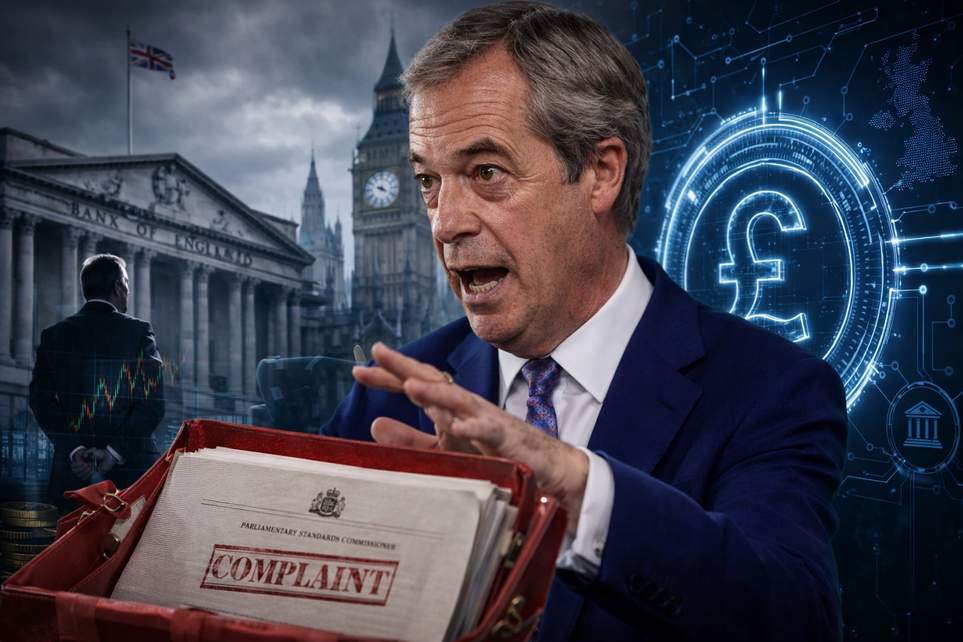
Picture this: a squabble about the future of money — but the real argument isn’t just about technology or privacy, it’s about who gets a seat at the policymaking table. A complaint filed in early July says Nigel Farage told a crypto event he pushed Bank of England Governor Andrew Bailey on the central bank’s digital‑pound work, and a Labour MP asked the Parliamentary Commissioner for Standards to take a look. That request has turned a technical design process into a political spotlight.
The watchdog has opened inquiries in related areas and is in a fact‑finding phase — no conclusions yet. Separately, the commissioner already lists a registration-related inquiry opened in mid‑May 2026. In short: the paperwork is happening, the gossip is public, and the outcome is still up in the air.
Why does this matter beyond personalities? Because the digital pound — if it ever happens — would be public money issued by the Bank, not a wild crypto token. The Bank and Treasury say no decision has been made and that a design phase runs through 2026, with a blueprint and evidence review before anything moves forward. While that blueprint is being sketched, who meets whom, and why, suddenly feels very important.
Access, donations, and the messy middle ground
The complaint drags three big debates into one messy sandwich: how a digital pound should work; how private stablecoins should be regulated; and how political donations tied to crypto should be treated. Add in that some political parties have received big donations from individuals or groups with crypto ties, and you get a spicy question of perception: are policy ideas being shaped by arguments, or by money and backstage access?
Traditionally, debates about a central bank digital currency included worries about surveillance, privacy, and whether cash would be edged out. Those are still hot topics. But now the spotlight includes another question: who gets privileged input while rules are still being written? A polite, scheduled meeting with an MP is one thing. A meeting that looks like it could be influenced by large crypto-linked donations is another.
The UK is already wrestling with how to treat crypto money in politics. Electoral guidance treats cryptoassets as property rather than currency and requires parties to identify donors, value donations in pounds, and follow permissibility checks. The government has also signaled tougher options: in March it announced a temporary ban on cryptocurrency donations until clearer rules are in place, and it supported recommendations to cap certain overseas donations. But some of those changes need extra legislation and, as of early July, parts of the Representation of the People Bill were still to be completed — with key Commons stages scheduled for mid‑July 2026.
All of this matters to firms and investors in the crypto world. If access is the route to influence, transparency is the grease that keeps the wheels from looking dodgy. Submitting a public consultation response is one thing; private meetings between influential figures and decision‑makers are another — especially when the donors behind those figures have a financial stake in the rules being drafted.
At the end of the day, the digital‑pound project will be judged as much on governance as on code. If the Bank and Treasury want the exercise to feel like a public‑interest redesign of money rather than a backstage fight over who benefits from private payment rails, they’ll need clear, visible records of who they met and why. Until the watchdog finishes its checks and Parliament finishes its debates, the biggest question may not be what Britain’s digital money will look like, but who got to sketch it first.
