
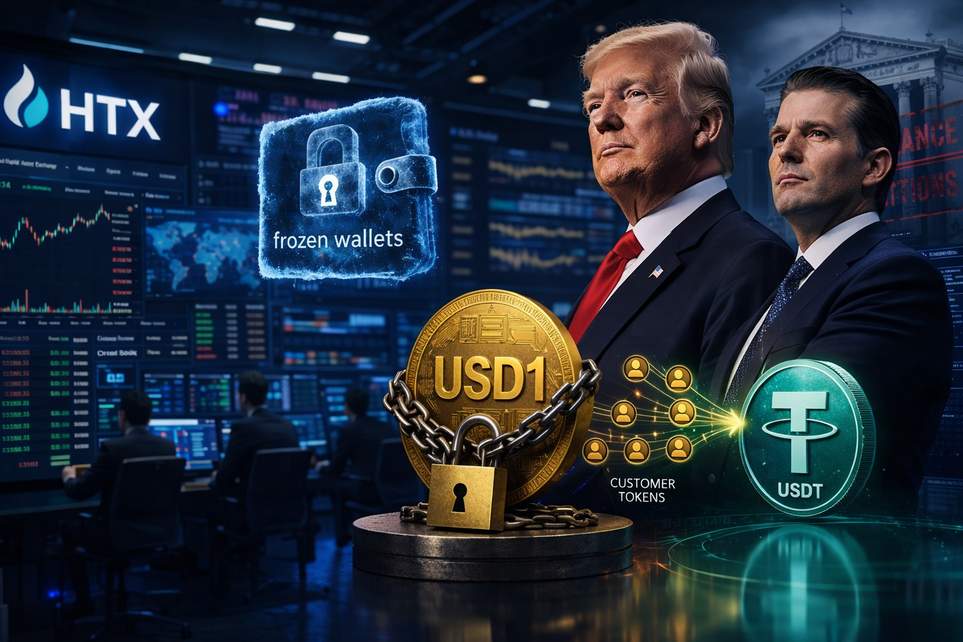
Wallet Wars: HTX Converts USD1 After World Liberty Freezes Accounts
The wallet freeze: what went down
Chaos on the blockchain, but make it bureaucratic. In early June, the exchange HTX announced it would permanently stop listing the fiat-backed USD1 token and automatically swap eligible customer USD1 balances into Tether (USDT) at a one-to-one rate, starting June 7. The move came after World Liberty Financial — the issuer behind USD1 — used its administrative powers to lock several blockchain addresses linked to the exchange.
World Liberty says it was enforcing compliance measures tied to recent international sanctions, which it claims required severing ties with certain networks. HTX fired back, insisting the frozen addresses hold ordinary retail customer funds, not illicit proceeds, and called the wallet lockdown an overreach that tramples user property rights. As a precaution, HTX also suspended trading for the main USD1 pairs to protect liquidity and limit market disruption.
This isn’t World Liberty’s first time pulling the emergency brake. The project, which debuted in late 2024 and has high-profile political backers, is built with admin controls that can halt transfers via smart-contract functions. It previously used those powers in a legal fight with a well-known industry figure, but the current standoff is different: instead of targeting one big holder, the freeze is colliding with an exchange and affecting many retail users at once.
Why it matters — the messy fallout and what’s next
Welcome to the weird corner of stablecoins where the dollar peg meets on-chain censorship. The core problem here is architectural: some fiat-backed tokens can be paused or blacklisted by their creators. That capability can be useful for cutting off criminals, but when it’s wielded against exchange-controlled wallets, ordinary traders and depositors become collateral damage.
The immediate result is practical and painful — a loss of access, forced conversion into another stablecoin, and thinner liquidity for USD1 pairs while negotiations continue. HTX says it wants the lock lifted or at least a clear accounting of what triggered it. World Liberty is demanding strict compliance with sanctions-related rules. Meanwhile, customers are stuck watching tokens flip into USDT and hoping someone blinks.
Beyond the drama, this episode raises bigger questions for anyone who uses tokenized dollars: how much control should issuers have, who decides when a wallet gets frozen, and what legal standard must be met before protocol-level actions are taken? Regulators, exchanges, and projects will be watching closely — and so should users.
Short-term practical advice: keep an eye on official exchange notices, consider distributing risk across wallets and custodians you trust, and don’t assume every stablecoin is equally immutable. No one likes being turned into a guinea pig in a compliance showdown, but until the rules and tech catch up, expect more of these spicy standoffs.
