
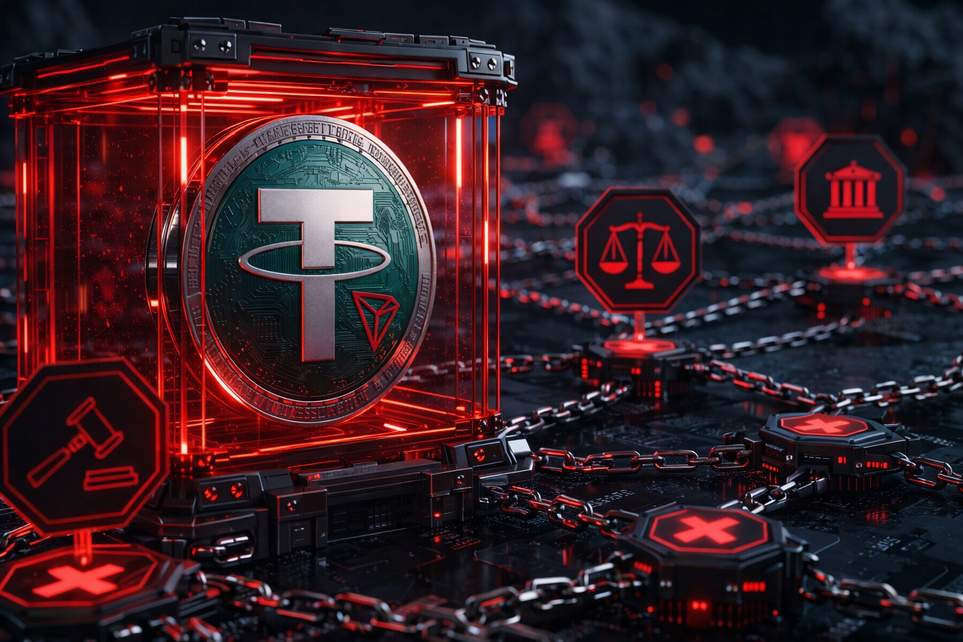
Stablecoins as Sheriffs: Tether Freezes 131 TRON Wallets Linked to ISIS‑K
Quick recap — what actually happened
Short version: after a U.S. sanctions update naming an ISIS‑K affiliate and a list of crypto addresses, Tether quarantined USDT balances on 131 TRON addresses. The same update also flagged three Monero addresses, which behave very differently in practice.
Analysts say the TRON wallets in question had seen over a million dollars flow through them since 2023 and pushed out substantial sums as well. Those flow figures are not the same as the amount frozen at the moment of the action, but they show these addresses were part of a real on‑chain funding route — not just a list of names on a PDF.
Why this matters — and why it’s a bit weird
Here’s the new enforcement choreography: regulators name a target, blockchain sleuths point to wallets, exchanges and compliance tools scan for exposure, and — because stablecoins like USDT have an issuer — that issuer can flip a switch and stop token balances inside the system. It’s like naming someone wanted, tracking their car on GPS, and then convincing the carmaker to immobilize the vehicle.
That issuer-control point is the big change. Traditional sanctions move through banks and payment processors. With freezeable stablecoins, the company that issues the token sits unusually close to the money itself. That’s why Tether’s voluntary freezing policy (announced last year) and earlier high-profile freezes matter: they show issuer freezes are not theoretical.
But it’s not magic. Everything still depends on good intelligence, accurate labeling, legal process, and the issuer being willing and able to act. And there’s a clear limitation: Monero addresses were also listed in this update, but Monero’s privacy design and lack of an issuer mean there’s no equivalent “please freeze my balance” button to press. That contrast is the headline — some rails let you play sheriff, others do not.
There are consequences. If stablecoin freezes become routine, bad actors have an incentive to shift funds into assets and routes that are harder to interrupt — privacy coins, uncooperative exchanges, or more opaque cash‑out paths. That doesn’t make those routes invisible, but it makes enforcement more complex and messier to unwind.
On the policy side, regulators are already nudging issuers toward more anti‑money‑laundering and sanctions capabilities. Proposed rules have included technical requirements to block or freeze impermissible transactions, which effectively treats big stablecoin issuers as pieces of financial plumbing, not just code running on the internet.
For everyday users and crypto businesses, the takeaway is simple and a little paradoxical: the most liquid, convenient on‑chain dollars are often the ones that can be stopped fastest. That’s great for enforcement, awkward for people who wanted purely decentralized money, and worth thinking about if you care where your on‑chain dollars can flow.
In short: this action shows how public‑chain transparency, analytics, exchange compliance, and issuer controls can combine into a working enforcement stack — powerful against some routes, impotent against others. Expect the tug of war to keep going: issuers and regulators pushing to plug leaks, while illicit actors chase the exits that aren’t so easily padlocked.
