
When AI Buys Books and the Books Go Poof: A Strange New Chapter
The odd supply chain: buy, slice, scan, and shrug
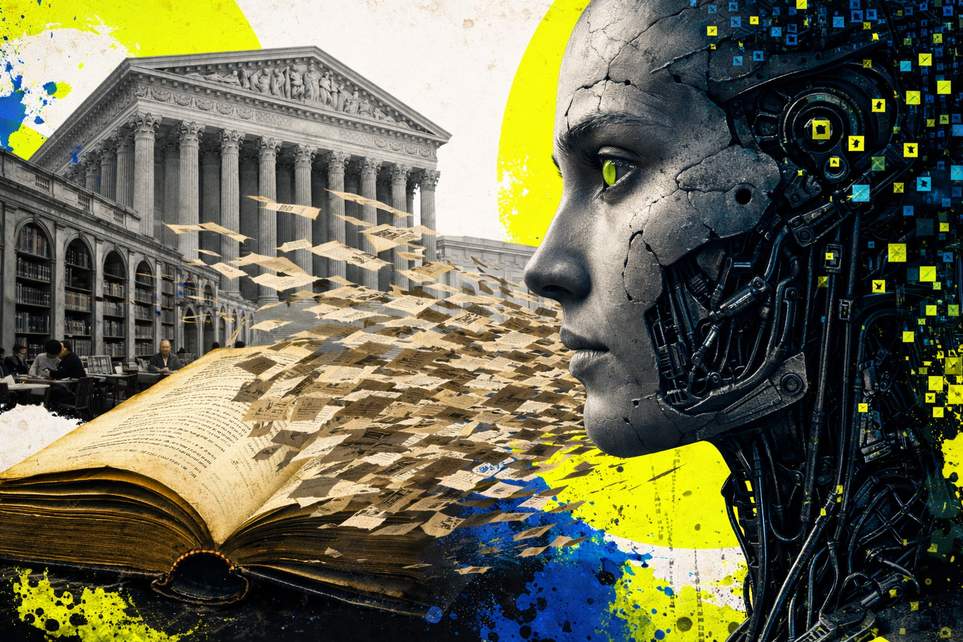
Okay, picture this: a pile of printed books is bought in bulk, the bindings are yanked off, pages are fed into scanners, and the paper copies are tossed. It sounds like a peculiar arts-and-crafts project gone rogue, but it’s part of a real trend prompting legal and cultural head-scratching. Some vendors now advertise the ability to source vast numbers of physical titles — including older, out-of-print, or hard-to-find editions — for use in training language models. Part of the pitch sometimes mentions scanning followed by verified destruction or recycling of the originals.
One company hired a specialist with experience from a big tech book-digitization effort, then spent millions acquiring print runs that were scanned and later disposed of, according to public court documents. Separately, a book-data vendor has been promoting commercial sourcing services aimed at developers and researchers. The two are related in spirit — they both point to the same basic incentive: if a digital version can be used at scale, the physical object becomes a convenient input rather than a preserved artifact.
What the courts, the vendors, and common sense say (in plain English)
A court ruling in 2025 reached two different conclusions. First: using copies to train certain language models was ruled to be transformative fair use in that specific case. Second: converting lawfully bought print books into non-distributed digital files was treated as fair use because, on the court’s facts, the PDF effectively replaced a purchased copy without increasing the library’s copy count. In short, the judge accepted a one-for-one replacement idea: if you swap the physical for the digital, the tally of copies doesn’t change.
But the ruling was narrow. The court declined to greenlight scans made from pirated central-library copies and left many issues for trial. It did not declare destructive scanning a universal license — it simply recognized that in the facts before it, turning one format into another and keeping the total number of copies the same fit a certain legal argument.
That “one-for-one” logic matters because it creates a practical incentive. If destroying the paper helps argue that a single copy was merely converted rather than duplicated, preservation can look inconvenient from a legal standpoint. Keep both the paper and the PDF? That’s a different fact pattern and a bumpier legal ride.
Public-facing vendor pages often emphasize legal safeguards like nondisclosure agreements and protocols for disposal, and they usually add a caveat that headlines about book-burning are bad PR. But marketing copy is not the same as a transparent audit trail: so far there’s no public, title-level record proving that a named rare or uniquely valuable book was actually destroyed as part of one of these deals.
Claims of cultural loss get serious very quickly, but they need specifics: the exact title, which physical copy was tossed, and how many comparable copies remain. Without that evidence, alarm bells are understandable but unproven.
This tension isn’t totally new. It echoes earlier digital-era stunts where destroying a physical object was used to signal scarcity for a digital token. Those moves preserved provenance or ownership data without preserving the original artifact. With books the motive is different — the goal is text extraction at scale — but the preservation-versus-provenance trade-off looks familiar.
Bottom line: the documented facts show a real pressure point. A court’s narrow reasoning about copy counts now sits beside vendors pitching industrial-scale acquisition of older print material. Cultural loss has not been definitively shown in the public record, but the financial and legal incentives to treat physical preservation as expendable are already visible. Keep your annotated first editions locked up, and expect more debates — and more lawsuits — as this odd chapter continues to unfold.
