
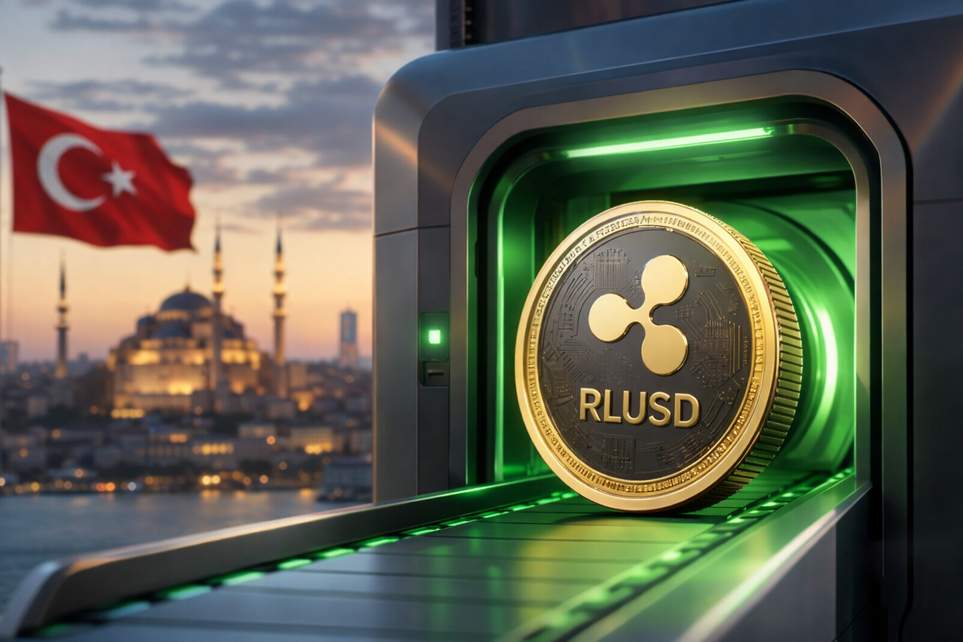
Ripple Rolls RLUSD into Turkey: A Regulated Dollar for a Wild Crypto Market
Ripple just brought its dollar-pegged stablecoin, RLUSD, to Turkey’s institutional market — and no, this isn’t your usual retail pump-and-dump story. Think of it as a regulated digital dollar showing up at a party where everyone’s been using cash under their mattress and taping dollar bills to spreadsheets.
Why Turkey? Big market, shaky money, and lots of reasons to use a dollar on-chain
Turkey is one of the most active crypto hubs in the region. Local traders and businesses move huge volumes of crypto, partly because the Turkish lira has been volatile and partly because people need ways to keep value and pay international bills. That combination — genuine dollar demand plus lots of speculative trading — has made stablecoins a popular tool for everything from payroll and supplier payments to capital preservation and quick trades.
Regulatory changes over the past couple of years have also shifted the game. Authorities have tightened licensing, compliance, and tax rules for crypto platforms, nudging the market toward licensed local exchanges. That’s a big deal: when exchanges are asked to collect taxes and follow strict audits, domestic, compliant products become a lot more attractive than shadowy offshore options.
What Ripple is doing (and why it might actually stick)
Rather than chasing retail day-traders, Ripple is rolling RLUSD out through three homegrown Turkish platforms — giving institutions a way to hold and move dollar-pegged tokens that meet audit and compliance standards. This is a play for the big fish: corporates, custodians, and payment desks who want predictable, auditable dollar liquidity on-chain.
RLUSD isn’t some tiny experiment. Since launching globally, it has grown considerably in market presence and is being positioned as the go-to stablecoin for enterprise use cases like cross-border payments, tokenizing real-world assets, and serving as collateral for on-chain finance. The idea is to offer a regulated, “plug-and-play” digital dollar that fits into a company’s balance sheet without making the compliance team faint.
Ripple is also planting deeper roots: academic partnerships, local validator infrastructure, and funding for research and fellowships. That’s smart — it gives Ripple visibility beyond mere exchange listings and helps build an ecosystem that supports long-term institutional activity rather than quick trading volume.
For Turkey, the arrival of a regulated stablecoin option means licensed exchanges can offer a clearer on-ramp to dollar-pegged assets while staying in the regulators’ good graces. For Ripple, it’s a test: can a compliance-first stablecoin win business in a market where people already rely on digital dollars but regulators are closing the loopholes?
What to watch next: will corporates actually adopt RLUSD for treasury operations and supplier payments? Will tax-withholding rules push even more flows onto licensed platforms? And will this model spread to other countries that want digital dollars — but only if those dollars come with receipts, audits, and a friendly compliance badge?
Either way, this isn’t just another token launch. It’s Ripple trying to sell a boring-but-powerful promise: a usable, regulated digital dollar for institutions in a market that desperately needs it — with a side of academic swag and validator servers on campus. Kinda nerdy, slightly thrilling, and potentially useful when your lira decides it needs a vacation.
