
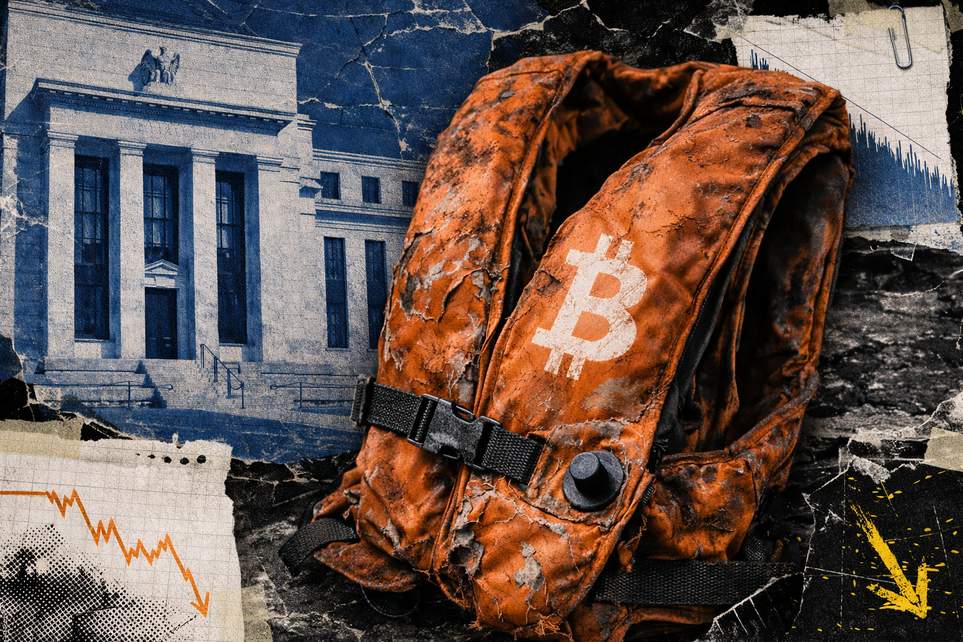
Bitcoin Traders Drop Crash Insurance Just as Fed Meeting Turns Into a Mystery Box
Traders are dialing down protection while the Fed keeps everyone guessing
In plain english: Bitcoin traders have been trimming the amount of downside insurance they carry right as the Fed’s rate decision has become unusually hard to predict. The options market’s put-to-call open-interest ratio slid from roughly 0.76 in late June to about 0.52—meaning there are roughly 52 put contracts open for every 100 calls. Meanwhile, interest-rate markets are pricing a wide range of possible outcomes for the Fed, which makes the whole situation feel a bit like walking a tightrope in the dark.
Bitcoin was trading near $63,400 on the eve of the Fed’s two-day meeting. The Fed chair’s recent move away from explicit forward guidance has widened the range of anticipated policy moves, so investors have fewer clues about what’s coming. That has left some traders oddly willing to pay less for immediate downside protection, even though headline risk has gone up.
Why that matters: option skew, big call strikes, and three Fed scenarios
Options pricing shows how much people are willing to pay for protection. Short-dated puts still cost more than comparable calls—so traders do value downside defense—but the premium (put skew) has eased from around 13% to about 9% recently. In plain terms: hedging appetite has softened.
That’s notable because this week’s options expiry has heavy call concentrations at strikes near $70,000 and $72,000. Those positions require a meaningful rally—more than a 10% jump from current levels—to finish in the money before expiry. Call buyers need both direction and speed: the market must rise and do so fast enough to counteract rapidly shrinking time value.
How the Fed’s announcement plays out matters a lot. If officials raise rates by a quarter-point, expect short-term yields and the dollar to pop, liquidity to tighten, and assets like Bitcoin to come under pressure. Dealers who sold downside protection might be forced to sell futures or spot bitcoin to hedge, which can amplify down moves.
A firm hold with hawkish wording is the trickiest outcome: traders may cheer initially because a rate hike didn’t happen, but continued hawkish language and an open door for September could keep yields elevated and sap the rally—leaving those $70k/$72k calls stranded as their clock runs out. The easiest path for those calls is a softer hold—language that hints inflation is cooling or hiring is weakening—which could lower yields, loosen conditions, and boost demand for risk assets.
Because the Fed won’t produce a new dot plot or updated projections at this meeting, the statement, vote split, and the chair’s press conference carry extra weight. Markets will watch Treasury yields, the dollar, short-dated option skew, futures open interest, and spot demand for signs of whether investors are rebuilding protection or piling into expiring upside bets.
Bottom line: traders have leaned into less immediate insurance at a moment when policy uncertainty is unusually high. The Fed’s next moves will tell us whether that was savvy risk-taking or collective overconfidence—either way, expect some fireworks for bitcoin and options positioning in the hours after the announcement.
