
Strategy Pauses Bitcoin Buys and Quietly Snaps Up Discounted STRC
Buyback moves and the Bitcoin buying break
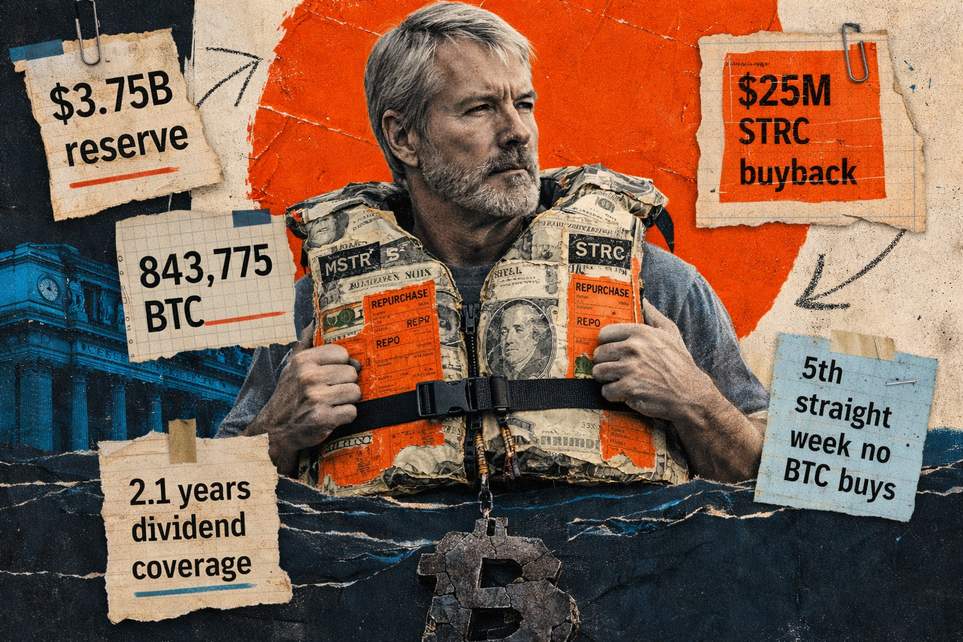
Late in July, Strategy quietly bought back 288,930 shares of its STRC preferred stock for about $25 million — an average of $86.52 a share — using the repurchase authority it recently approved. That price is a healthy discount to STRC’s $100 stated value, and this small stealth buy is the first disclosed use of a $1 billion repurchase program the company put in place.
Coincidentally (or not), this came during Strategy’s longest pause in adding Bitcoin to its treasury: no BTC purchases for five straight weeks, the longest break since 2024. The company still sits on a giant stash of Bitcoin — roughly 843,775 BTC bought at an average price near $75,476 each — so this wasn’t a sign of running out of ammo, more like a tactical shift.
STRC has been trading under pressure recently, briefly dipping below $77 before popping back up toward the high $80s. Strategy’s playbook: keep STRC trading near $100 and don’t issue new preferreds below that level. To support that, the firm has been paying a generous ~12% annual dividend on STRC and now added direct repurchases into the toolkit. Leadership has said they’ll buy more aggressively if the discount widens, fund repurchases from sources outside their USD Reserve (including common-stock or Bitcoin sales), and avoid issuing new STRC under $100.
One practical bonus of buying back discounted STRC: retiring those shares at below-par levels can lower future dividend obligations and let Strategy remove some securities from its capital stack at a discount. After this latest buy, about $975 million of the repurchase authorization remains available for future purchases, though using it is discretionary and depends on price, liquidity and broader market conditions.
Cash hoarding, reserves, and why it matters
At the same time as the buyback, Strategy beefed up its cash cushion. The company added roughly $525 million to its dedicated USD Reserve, taking it from about $3.225 billion to $3.75 billion. That stash is earmarked to cover preferred-stock dividend payments and interest on debt — Strategy says it’s enough to cover roughly 25 months (about 2.1 years) of expected preferred payouts based on current assumptions.
How did they fund that? Mostly by issuing common shares: roughly 5.43 million Class A shares were sold through an at-the-market program, generating about $544.5 million in net proceeds, most of which flowed into the reserve.
Why the two-pronged approach — buybacks plus a big reserve? Preferred securities create recurring cash commitments in a way Bitcoin doesn’t. So Strategy is attacking the problem from both angles: reduce outstanding preferred stock when it’s cheap, and simultaneously build a liquidity backstop so those dividend and interest payments don’t force unwanted capital raises during rough patches. The repurchase program and the USD Reserve are separate tools with the same goal: more stability around the preferred-stock structure while keeping the company able to meet its bills.
In plain English: Strategy is being a bit of a bargain hunter and a squirrel at the same time — buying discounted preferred shares while hoarding cash to make sure the lights stay on if markets get messy. Whether that’s clever or cunning depends on how STRC and Bitcoin move next.
