
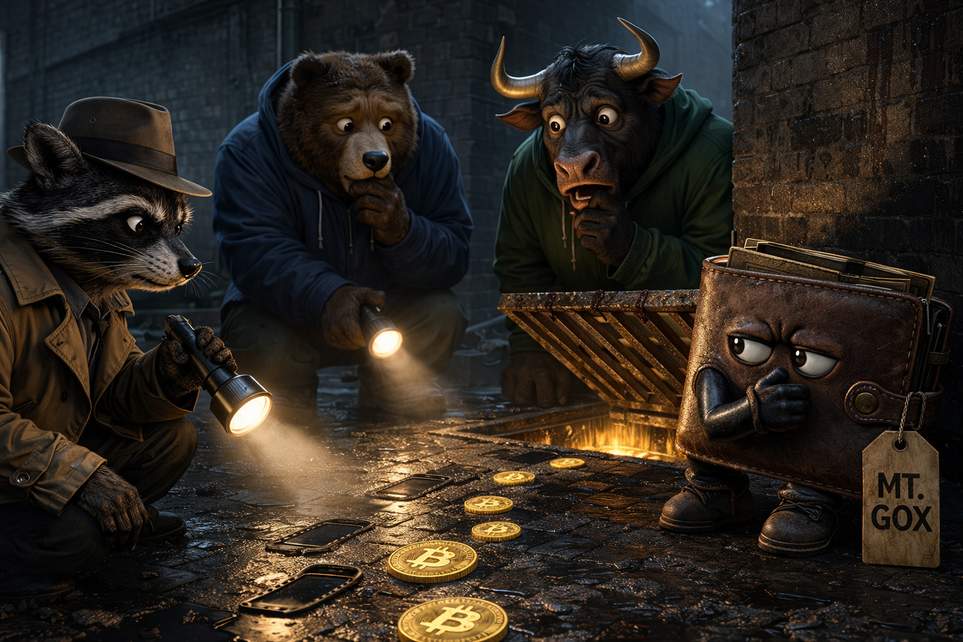
Mt. Gox Movers: 10,422 BTC Roams the Chain — Panic Button or Wallet Spring Cleaning?
What actually moved (and where the heck it went)
On June 2, a chunk of old Mt. Gox coins got up and left: 10,422 BTC in total, which at the time was worth roughly $739 million. Most of it — about 10,306 BTC — landed in a brand-new address that starts with 14FEEM, while 116 BTC went to a previously known Mt. Gox hot wallet. The transfer shows up in Bitcoin block 952,072 at around 04:47 UTC.
After that shuffle, the reported estate balance was roughly 34,504 BTC. Important detail: this wasn’t a single dump to an exchange. The visible moves were split across wallets and, as of the initial reports, there was no confirmed onward routing to an exchange, custodian, liquidity provider, or creditor payout system.
Bonus legal calendar tidbit: the trustee overseeing the Mt. Gox estate pushed the repayment deadline out — creditors now have until October 31, 2026 — which helps explain why coins could be moving for reasons other than immediate selling (wallet housekeeping, custody setup, repayment prep, etc.).
Why traders cared (but maybe don’t freak out just yet)
Big, old wallets moving coins is always a mood swing for the market. On the one hand, a visible transfer reminds everyone there’s a pile of BTC that could become supply. On the other hand, a big internal transfer is more of a blinking yellow light than the red alarm itself — it only becomes “actual supply” once the coins head toward venues that can sell or distribute them.
Context made this move feel louder: Bitcoin was already sliding (more than 5% below $68,000 that day), and nearly $400 million in leveraged positions were liquidated within an hour. In shaky markets, even the smell of potential new supply can amplify selling pressure because leveraged traders are jittery.
So what’s the practical checklist? The transfer becomes convincing sell pressure when estate-linked coins show a clear path to exchanges, custodians, or repayment pipelines. Without that downstream proof, the smarter play is to stay cautious but not panicky — the move means the process is alive again, but it doesn’t prove coins are hitting order books yet.
Short version: Mt. Gox still has enough BTC left to keep heads turning, the repayment timeline is active, and any future large transfers deserve attention. But until funds start routing into places that can actually sell them, treat this as wallet activity that matters for expectations, not proof of immediate supply hitting the market.
