
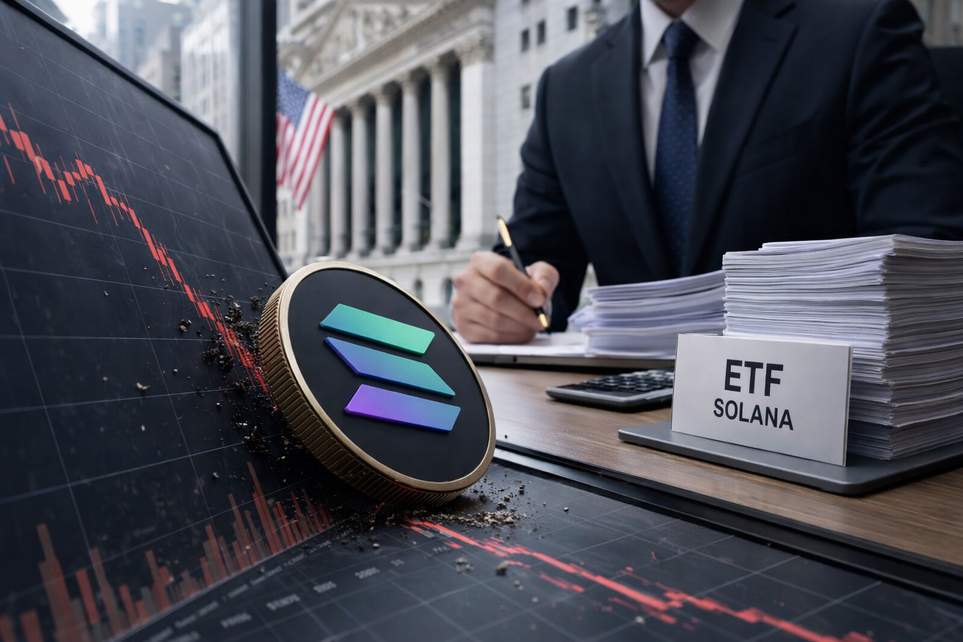
Why Is Solana Falling While Everything Else Looks Like a Party?
Busy chain, bored token — how that happens
Solana’s network is throwing a wild stats party: a spot ETF crossed the $1 billion mark after a hot May with about $115 million in inflows, tokenized real-world assets are valued in the billions, stablecoins are flowing like carnival cotton candy, and Solana dominates tokenized-equity on-chain volume. But if you peek at SOL’s price, it’s lounging near the mid-$60s like it just missed the invitation.
The weirdness comes down to one blunt truth: network activity doesn’t automatically turn into token value. The way Solana splits up fees means validators, issuers and platforms grab most of the juice before it ever trickles back to SOL holders. Base fees get split roughly half burned and half paid to block producers, while priority fees — the heavy hitters during busy times — go straight to validators. In other words, a jam-packed day routes fee revenue to the people running the machinery, and burn barely moves.
One proposal under discussion estimates that current mechanics only burn about 648 SOL per day even when the chain is humming. That’s cute, but on days when billions in stablecoins settle or tokenized stock trades zip through, 648 SOL is not exactly soaking up the economic activity. Users can move huge sums while holding the minimum SOL needed to pay fees; the platforms and brokers facilitating the trading pocket value long before SOL feels it.
On top of that, broad market forces matter. Big-ticket events — like massive IPOs and other flows of capital — can shove risk assets into a risk-off corner. High-beta tokens like SOL get repriced when cash is being hoarded or redeployed elsewhere, so even good on-chain headlines don’t always translate into immediate price gains.
Can tokenomics tweaks save the day?
Yes…maybe? The community is actually talking about fixes. One proposal would speed up disinflation — think: cutting the time it takes to reach the long-term inflation floor — which supporters say would meaningfully reduce future token emissions. Another change on the table is to make base fees burn in proportion to actual resource use, so days of real network stress would burn way more SOL (think tens of thousands on high-stress days instead of a few hundred).
Those two levers — faster disinflation and resource-based burn — are the exact tools that would shrink dilution and tie real usage to token scarcity. If they pass, and if liquidity returns to markets, SOL could actually re-rate toward levels that match the network’s activity. If they don’t, Solana keeps stacking real usage while SOL captures only a shrinking slice of the pie, and that mismatch keeps the price from joining the party.
Bottom line: Solana isn’t failing because the chain is quiet. It’s underpriced because the current economic plumbing funnels revenue away from the token itself. The market is waiting for proof that on-chain activity will translate into token value — either from policy changes, a macro tide shift, or both. Until then, expect more head-scratching charts and a lot of heated debates in governance threads.
