
Bitplanet’s Mining Gamble: Can a Treasury Learn to Mine?
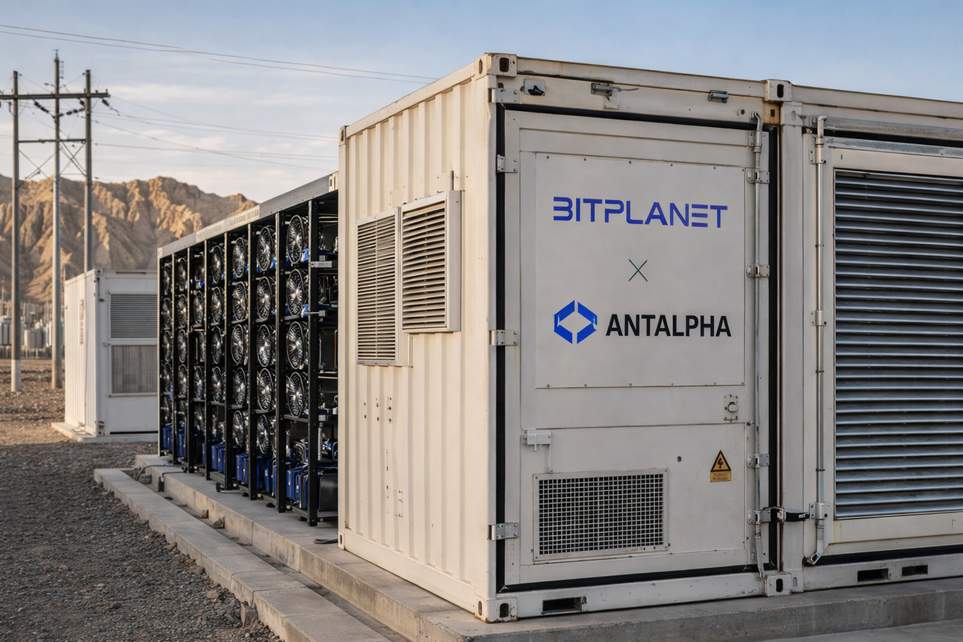
Bitplanet is trying something a little different: instead of just hoarding Bitcoin on its balance sheet, the South Korean company wants the treasury to start producing BTC like a coffee machine producing lattes — only with more electricity and fewer hipsters.
The plan: mine, don’t just buy
Bitplanet signed a memorandum with Antalpha and mining partners to roll out about KRW 15 billion worth of mining rigs and kick off full-scale operations. The first phase is aiming for more than 7 BTC per month (north of 80 BTC a year) if the machines, power and contracts behave themselves.
Antalpha, now a Nasdaq-listed player, focuses on mining finance — think loans for rigs, hashrate-based lending, and services that let mined coins be used as collateral for hosting and repairs. That relationship matters because mining needs capital up front: buy or finance the hardware, ship it, hook it up, pay for power and hosting, and pray the fans keep spinning.
Bitplanet says mined BTC will count as operating revenue and be managed long-term across reserves, hedging pots and reinvestment capital. In plain speak: they plan to treat mined coins like income rather than just another line item on the balance sheet.
Why this is a high-wire act (and what to watch)
Mining isn’t just a math problem — it’s a logistics and contract circus. Success depends on hashrate delivered, uptime, host reliability, power prices, customs and tax treatment, repair turnaround, and whether the company actually keeps the coins it mines or hands them off to pay bills or lenders.
On paper, 80 BTC a year looks neat — at certain prices that’s several million dollars of gross output — but that’s before electricity bills, hosting fees, financing costs, repairs, taxes and other corporate overhead eat into the pile. If a chunk of mined BTC gets used as collateral to pay for services, that further thins the amount that can be banked as treasury.
The broader mining market isn’t exactly chill either. Hashprice has been drifting in the low-to-mid 30s per PH per day recently, and overall miner revenue has seen downwards pressure versus past periods. Some public miners have been trimming BTC holdings or pivoting part of their power footprint to AI and high-performance compute deals — which can reprice power assets before everything’s even installed.
So the real benchmarks for Bitplanet won’t be press-release production targets but the gritty details: signed hosting or joint-venture agreements, disclosed equipment hashrate and utilization, concrete power-cost figures, month-by-month BTC production, and — crucially — how much mined BTC stays on Bitplanet’s books after costs and servicing loans.
If they can mine cheaply and keep enough of the output, mining could become an organic source of coins to supplement market purchases. If not, it risks becoming an expensive, capital-hungry diversion. Either way, it’s a neat experiment: can a corporate treasury stop being a passive piggy bank and start acting like a micro-miner? Grab popcorn — or a UPS for backup power — and let’s see how it runs.
