
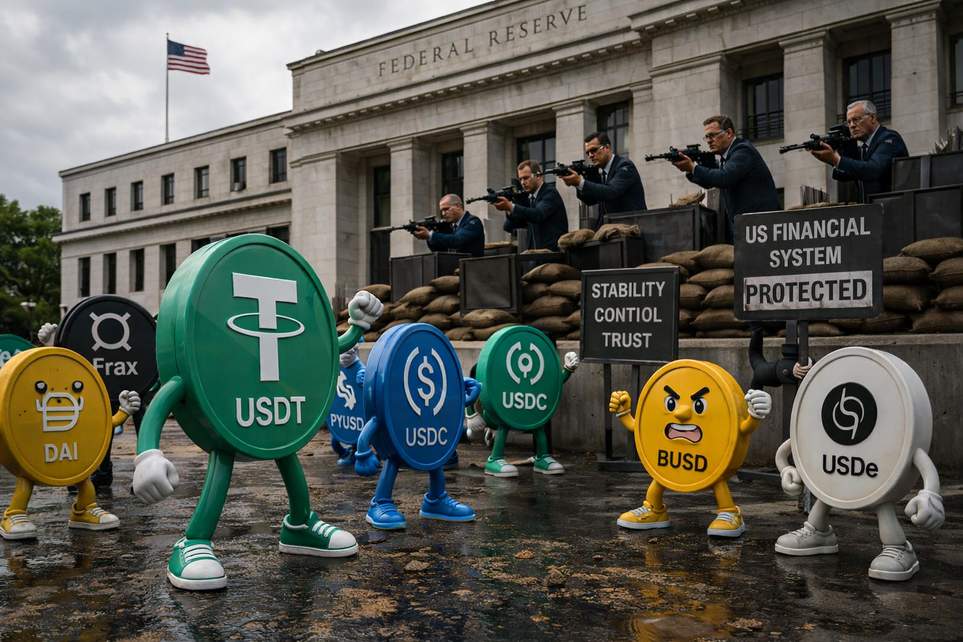
Central banks are treating stablecoins like a multi-trillion-dollar headache
The new reality: stablecoins aren’t just a niche anymore
Remember when stablecoins were dismissed as a crypto curiosity? Those days are gone. Top central bankers are now calling for coordinated action because stablecoins have grown into a real monetary power player — big enough to make regulators lose sleep. The Bank for International Settlements’ leadership has openly warned that these dollar-pegged tokens can cause runs, spread stress across markets, and let private companies take advantage of patchwork rules across countries.
In plain English: a fast-moving crowd trying to cash out of a popular stablecoin could force issuers to sell large chunks of short-term government debt, which would ripple through Treasury markets. And when so much money prefers tokens over bank deposits, the whole banking business model gets nervous.
Why this matters — to banks, countries, and your piggy bank
Here’s the short version of the freak-out: stablecoins promise bank-like convenience (quick payments, easy cross-border transfers, dollar-style stability) but without banks. That matters because banks use deposits to fund loans and earn fees. If people stash cash in digital wallets instead of savings accounts, banks lose the fuel they need to lend, plus transaction fees and the customer relationship. Fun for users, not so fun for lenders.
Scale makes it worse. The two biggest stablecoins (you’ve probably heard their tickers) dominate the market and together represent a huge slice of the total supply. Estimates from multiple institutions show potential issuance could reach the low- to mid-trillions of dollars over the next few years in various scenarios — numbers big enough to rewrite how money moves globally.
For countries with weaker currencies, dollar-pegged tokens are already being used like digital escape hatches. In places where inflation bites or exchange controls bite harder, people use stablecoins to protect savings or move money around — which can speed up unofficial dollarization and undermine local monetary policy.
That’s why regulators are acting on two fronts at once: some want to build their own regulated digital tokens to keep money on local rails, while others want strict limits on foreign-pegged private tokens. The tension is obvious — policymakers crave the efficiency of tokenized payments but don’t want private firms running the rails for everyone else.
How regulators classify stablecoins — whether as simple payment tools, deposit substitutes, or something closer to money-market products — will decide how much of the financial plumbing private issuers can gobble up. That choice will shape payments and central-bank influence for years.
So yeah: stablecoins started as a clever crypto trick. They’re now part financial innovation, part geopolitical speedboat, and part headache for central banks. Expect more rules, more prototypes from national banks, and enough bureaucracy to make even the calmest economist sigh — while your digital wallet keeps humming along, probably with way less paperwork.
