
Coinbase Co-founder Eyes Venezuelan Oil Assets Amid U.S.-Backed Restructuring
What’s happening (in plain, slightly dramatic terms)
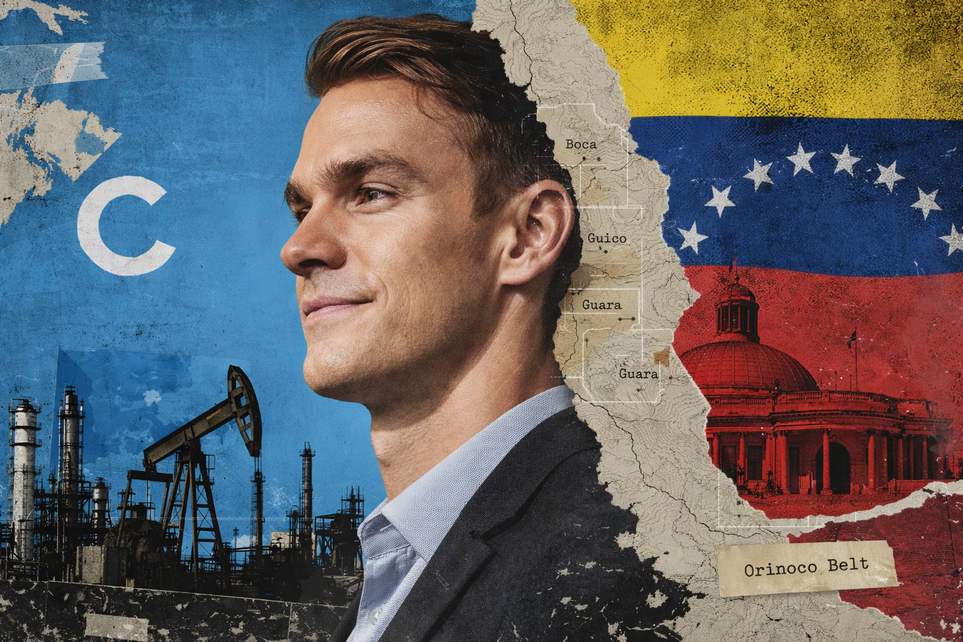
Fred Ehrsam, best-known as a Coinbase co‑founder, is reported to be pursuing oil interests in Venezuela through his separate investment vehicle, Primavera. News outlets say Primavera is in talks for control of at least three oil blocks in the Orinoco Belt — commonly referred to by the names Boca, Guico, and Guara. The chatter picked up in late August and early September as Venezuela reshuffles its energy deals under a new U.S.-backed framework.
To be clear: neither Coinbase nor Ehrsam’s other known affiliations have been publicly listed as bidders in these reports, and there’s no sign that any blockchain, crypto, or digital-payments tech is part of the deal. This looks like straight-up commodity play money, not a token sale with oil barrels as NFTs.
Why this is interesting (and a little weird)
First, the optics are juicy: capital that was grown in the crypto world — whether directly from exchanges, funds, or early exits — potentially moving into long-term, politically sensitive oil projects. That’s a jump from digital ledger drama to mud, oil, and old-fashioned geopolitics.
Second, the broader backdrop is messy. U.S.-backed arrangements being announced involve long concessions and even reported government equity stakes and veto rights. Some of those sweeping powers — like century-long rights over fields — are being questioned by analysts and politicians back in Venezuela, who note that domestic approval processes may not have been fully observed.
Finally, until any contracts are signed and the fine print is out in the open, Boca, Guico, and Guara are just reported targets. Negotiations can collapse, terms can change, and headlines can pivot. But if a Primavera deal goes through, it will be one more example of new-money, crypto-era founders wading into traditional, high-stakes natural-resource territory.
Bottom line: watch the paperwork, not the press releases. Headlines say talks are happening; real control will depend on the signed agreement and the political approval that follows — which may take longer and be spikier than anyone hopes.
