
Ontology’s Emergency Patch: Upgrade Your Nodes or Keep the Chain in Time-Out
The short version (because nobody likes panic without a TL;DR)
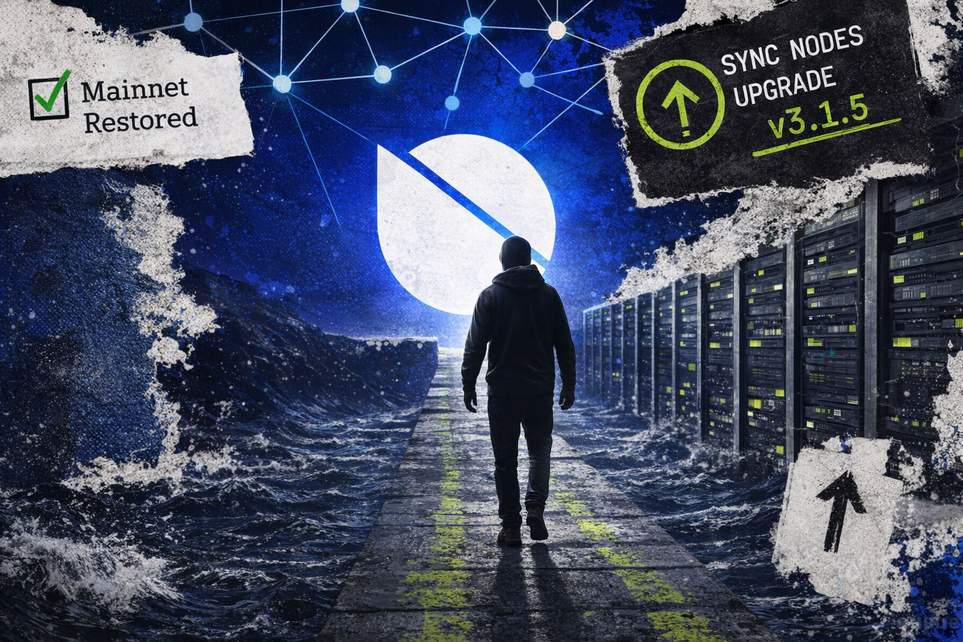
Ontology temporarily hit the big red pause button on its mainnet after suspicious activity showed up during routine checks. The network was frozen for a short investigation, and operators were told to install an emergency software update (version 3.1.5) before restarting normal operations. If you run a sync node, that update is basically mandatory — old clients risk falling out of sync.
What actually went down
At the end of August, Ontology halted block production after a routine security review flagged something odd. Over the next couple of days the team dug in and escalated their concerns: they found evidence of malicious activity targeting the network while fixes and tests were being applied.
The pause lasted through the investigation and remediation process. During that window the project warned users not to try any time-sensitive on-chain moves, and reassured everyone that, as far as the team could tell, user funds had not been touched. That said, there hasn’t been an independent forensic report published, so the ‘‘all-clear’’ is based on the project’s internal findings.
When the network was allowed to resume, operators were instructed to upgrade to the new v3.1.5 client. The emergency build includes a binary for common systems and a checksum, and the code changes show a few targeted tweaks — for example, disabling registrations for certain legacy native contracts at a specific block height and tweaking how cross-chain messages are deserialized. The team hasn’t publicly tied those code edits to a detailed attack narrative or named an exact vulnerability.
What node operators and users should know (and do)
If you run a sync node: upgrade now, check that your node fully catches up with the chain, and watch logs to confirm everything behaves normally. The update restores compatibility with the resumed chain; sticking with an older client could leave you out of sync or otherwise unstable.
If you’re just using wallets, exchanges, or dapps, there’s no headline reason to panic — the project said it did not find evidence of funds being compromised — but some services might still be finishing their own checks. That means deposits, withdrawals, or RPC endpoints could take a little longer to return to their usual rhythm.
Finally, the project said monitoring will continue alongside technical and security partners. In short: the mainnet is back, some emergency changes were pushed, and operators should upgrade — but the full story of what exactly happened and how it was exploited (if it was) remains mostly behind the curtain for now.
