
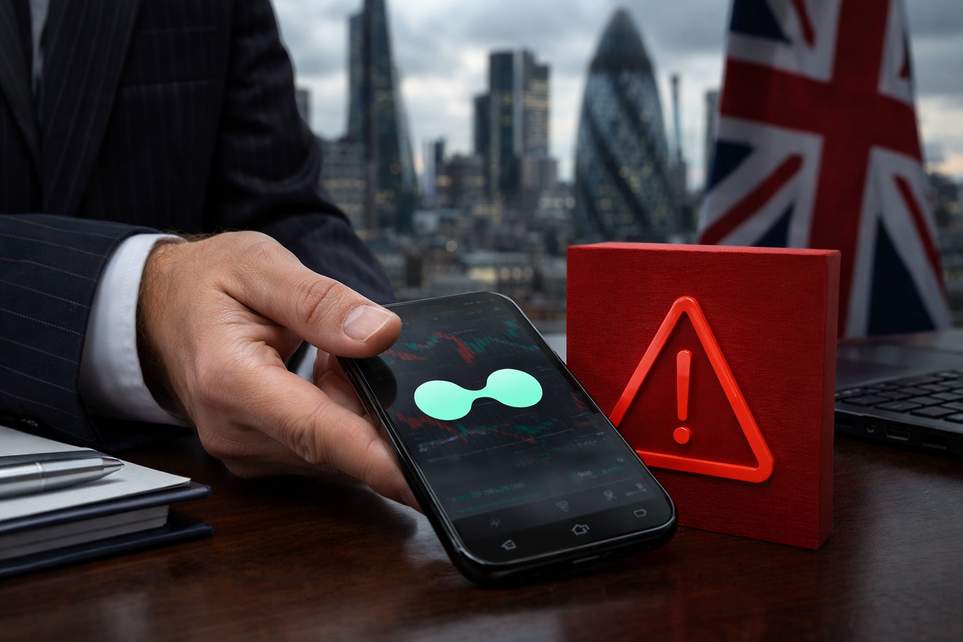
UK Warning Puts Hyperliquid in the Regulatory Hot Seat
Hyperliquid — the on-chain, non-custodial exchange that lets traders ride perpetual futures around the clock — just got slapped with a consumer-warning notice from Britain’s financial regulator. Translation: the UK is telling people to be careful and that the usual protections you get with regulated firms might not apply.
Why the warning matters (and why everyone’s watching)
The UK regulator flagged Hyperliquid and its associated foundation as possibly operating or promoting financial services in the country without the right paperwork. That’s not just bureaucratic red tape — it means UK users might not be able to complain to the Financial Ombudsman or recover losses through compensation schemes if something goes sideways. Ouch.
So what is Hyperliquid? In plain English: it’s a decentralized platform for perpetual futures — contracts that give leveraged exposure and never expire. Because it runs on public blockchains and doesn’t hold custody of users’ funds in the traditional way, it attracted a lot of traders who like the flexibility of 24/7 markets and the ability to keep positions open indefinitely.
That always-on model is convenient for traders who want to react to news at 2 a.m. on a Sunday, but it also makes traditional exchanges and regulators nervous. Big incumbents in the derivatives world have told U.S. authorities that an always-open, lightly gated market could be used to manipulate prices, coordinate on sensitive info, or let sanctioned actors gain exposure outside the usual oversight mechanisms. When oil or other big benchmarks move, everyone notices — and that’s exactly the worry.
Where the tug-of-war leads: options and trade-offs
There are a few paths Hyperliquid could take, and none are painless. It can stay offshore and keep doing what it does best — fast launches, broad market listings, and a product aimed at crypto-native traders — but that keeps it at arm’s length from big institutional flows and U.S. markets. It can try to add a regulated U.S. wrapper, which could open doors to institutions but would likely mean stricter custody rules, narrower product sets, and thorny compliance that may clash with the current protocol model.
Other choices include deepening decentralization to try to dodge certain regulatory hooks, moving toward a more centralized corporate structure so regulators have a clear counterparty, or lobbying for bespoke rules that recognize perpetuals and 24/7 venues. Each choice shifts the product, the token economics, or the speed at which new markets can appear — and could expose the token and team to securities-law questions.
Hyperliquid’s defenders point to public, on-chain transaction records as a surveillance advantage: every trade is visible in real time, which in theory makes misconduct easier to spot than in private, opaque systems. Critics reply that transparency on-chain isn’t a magic wand — you still need identity, controls, and enforcement tools if you want the same market-integrity guarantees that regulated venues provide.
Meanwhile, U.S. regulators appear to be warming to the idea of bringing perpetual products into the regulated fold, but they prefer doing it through recognized venues with established oversight. That creates competitive pressure: on-chain venues offer lower friction and round-the-clock access, while regulated venues offer legal certainty and institutional trust. The market is trying to decide which matters more.
Bottom line: Hyperliquid’s growth has turned an insider crypto product into a mainstream market puzzle. Will it adapt to fit into regulated plumbing, or will the industry reinvent the plumbing around on-chain markets? Expect more headline-grabbing debates, regulatory nudges, and product experiments as the answer unfolds.
