
Japan’s Stablecoin Showdown: Ripple, SBI, Circle & Nomura Enter the Ring
The scene: RLUSD drops, the race begins
Okay, plot twist: Ripple and SBI quietly rolled out RLUSD in Japan after getting the green light from regulators on June 24. That means a regulated dollar stablecoin is now available to both institutions and everyday users through SBI VC Trade. Think of it as Ripple getting a VIP pass to Japan’s payment highways.
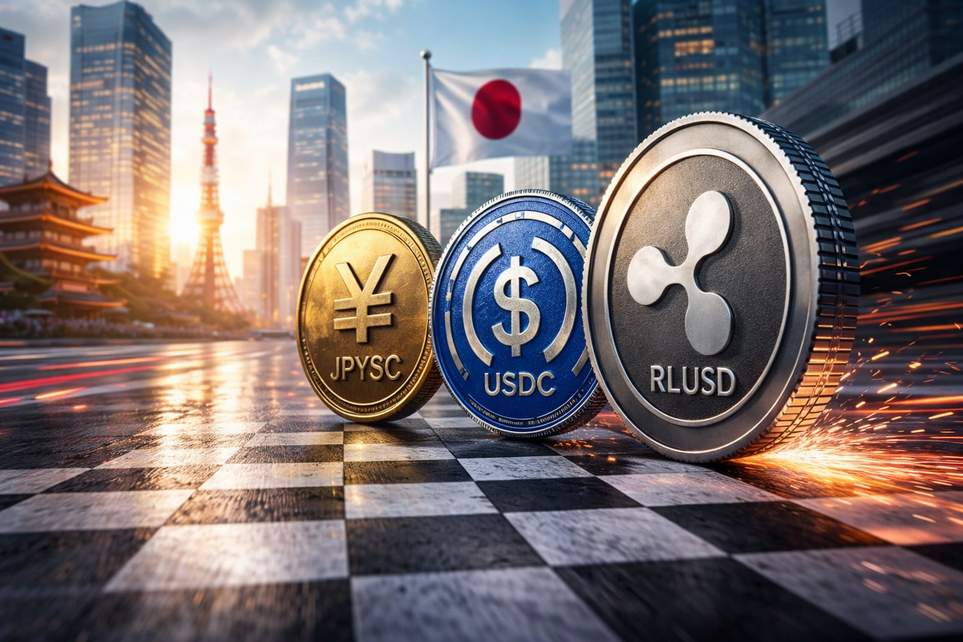
RLUSD is being treated under Japan’s electronic payment rules as a freshly regulated instrument for foreign-issued dollar tokens — a first for Ripple in one of its most important markets. SBI’s platform now lists multiple stablecoins side-by-side: RLUSD, USDC, and a yen token called JPYSC, giving users several choices in one regulated place.
Meanwhile, Circle and Nomura quietly have a plan: bring USDC into corporate payments and FX settlement for Japanese companies, possibly as early as 2027. The pitch is simple — let firms swap yen for USDC to pay suppliers, move money to affiliates abroad, and settle FX in minutes instead of the usual two-to-three business days. If that works, it’s a speed upgrade to a process that, in 2025, handled roughly $440 billion a day in Japan’s FX market.
Why this matters — stakes, winners, and the weird middle ground
Why should you care? Because distribution and trust decide who actually gets used. SBI has been cozy with Ripple for years — an investment back in 2016, remittance corridors, and lots of retail exposure to XRP via SBI VC Trade — so RLUSD rides on an existing network. Since late 2024, RLUSD has reportedly hit about $1.7 billion in market capitalization, which gives Ripple a noticeable head start.
But head starts aren’t everything. Circle + Nomura aim straight at corporate treasuries, supplier payment chains, and FX desks — places where exchange listings don’t usually reach. Nomura’s research suggests many Japanese investment pros see stablecoins as useful for treasury ops, cross-border payments, and tokenized asset settlement, and that bank-backed tokens enjoy higher trust. That institutional trust is the kind of thing Ripple still needs to win over for big corporate adoption.
Add in JPYSC — a yen stablecoin geared at big-value domestic transfers and on-chain yen settlements — and plans from major banks to issue bank-backed yen tokens by around March 2027, and you’ve got a crowded playing field. In other words: RLUSD may get cross-border traction through Ripple’s rails and SBI’s distribution, but domestic yen settlement could gravitate toward bank-issued coins.
So what are the likely outcomes? If RLUSD actually drives heavy cross-border flows and plugs into remittance lanes, Ripple could turn distribution into real payment revenue. If Nomura switches on USDC for corporate FX first, or if megabank yen coins dominate domestic flows, RLUSD risks becoming more of a listed token than the backbone of new payment rails.
Bottom line: SBI’s approach of hosting multiple regulated stablecoins makes the platform a central battleground. A win for any issuer on SBI VC Trade still gives SBI distribution revenue, while Ripple gets instant retail and institutional reach. Over the next 18 months — up to Circle/Nomura and the megabanks’ 2027 timelines — real transaction volumes will reveal whether Ripple’s early move translates into long-term dominance or just a nice head start that fades when banks and corporate-focused services scale up.
Short version: it’s no longer just about who prints the token. It’s about who gets trusted by treasuries, who plugs into corporate payment flows, and who actually moves money when it matters. Popcorn time.
