
Steak ‘n Shake credits Bitcoin for company growth — PR or real?
The claim (and the mysterious missing numbers)
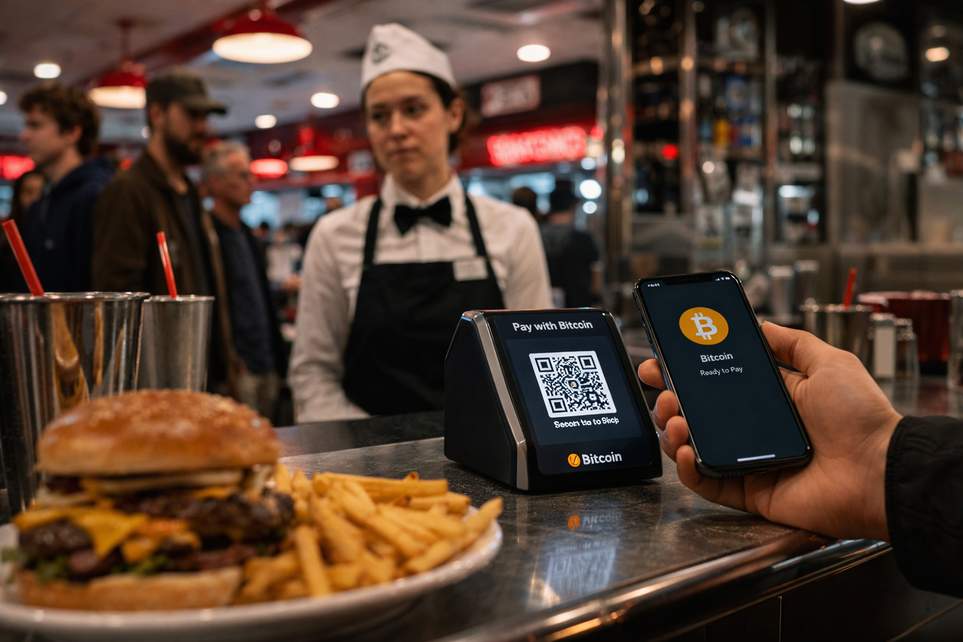
Steak ‘n Shake dropped a zinger in July: same-store sales up around 16% and a shout-out to Bitcoin as part of the reason. Naturally, that made headlines and people started picturing burger-and-satoshi combos. The odd thing? The company didn’t say how many customers actually paid with Bitcoin, how much those orders were worth, or what portion of total sales used the coin. That’s like announcing a party was a hit and forgetting to mention who showed up.
Without those basic figures, it’s impossible to separate the pull of Bitcoin-branded buzz from everything else companies do to boost sales: marketing, menu tweaks, promos, price moves, store openings/closures, even just good weather. Steak ‘n Shake also ran promotions around the same time and has been changing its store mix and spending more on marketing — all things that could plausibly lift sales without a single Bitcoin payment.
Meanwhile, company reps have claimed a real cost advantage for Bitcoin at checkout — roughly half the processing cost of cards and a hypothetical multi-million-dollar annual saving if everyone switched. That sounds exciting on a slide, but without showing how many transactions actually used Bitcoin and what was saved in aggregate, it’s a rumor that smells like fries and optimism.
What would make the claim convincing (and why it matters)
If Steak ‘n Shake wants other merchants to copy the playbook — or just to be honest with investors and the public — it should publish a few straightforward numbers. The essentials are: Bitcoin order count and share of transactions, total Bitcoin sales value, and the real fees saved across the business. Bonus useful stuff: store-by-store comparisons, repeat-usage rates, and whether the customers attracted were one-time curious fans or returning patrons.
Context matters. Earlier in the year the company had already reported sales momentum: first-quarter same-store sales gains were in the low double digits domestically and at its franchise partners. Marketing spend jumped noticeably (marketing outlays rose from roughly $3.2 million to about $5.4 million year over year), food costs nudged up after a switch in cooking fat, and the mix of company vs. franchised locations shifted. Any of those things alone — or in combination — could explain a chunk of higher sales.
In short: Bitcoin can be a brilliant branding magnet without ever becoming a meaningful payment channel. That’s fine if the goal was buzz; it’s less defensible if the pitch is “Bitcoin is cutting our costs.” The numbers above would show whether the coin is actually lowering fees, bringing in paying customers, or mostly just generating headlines.
Bottom line
Good news for Steak ‘n Shake: sales look healthier and Bitcoin makes for a catchy marketing story. Skeptics’ counterpoint: flashy PR doesn’t equal persistent payment adoption. If this is a growth play other merchants should copy, the next step is simple data transparency — show the receipts (not the Bitcoin kind). Until then, enjoy the memes, eat the tots, and ask the cashier how many people actually paid in crypto.
