
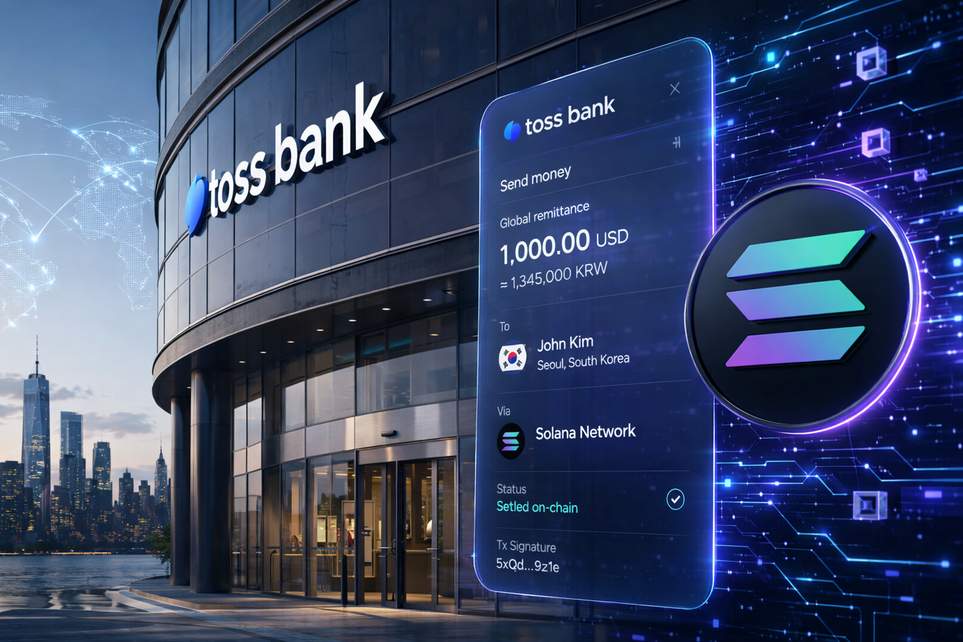
Toss Bank Tests Solana Stablecoins for Cross‑Border Transfers
The quick version: a bank pokes the blockchain
South Korea’s Toss Bank — the digital bank with a huge user base — is running a proof of concept that uses stablecoins on the Solana network to test international remittances. This isn’t a consumer-facing launch yet; think of it as the lab coat and whiteboard stage rather than a download-and-send button in your app.
The experiment is about plumbing and settlement: can a public blockchain quietly do the heavy lifting behind a regular bank app so customers don’t need to learn wallets, seed phrases, or start talking to chatbots named CryptoBuddy?
Why anyone should care (and what still needs to happen)
Toss isn’t a tiny startup — it has around 15 million customers — so the test matters because it places a public-chain settlement experiment inside a mainstream, regulated bank app rather than in some crypto-only payment service. That changes the conversation: it’s not about telling customers to leave their banking comfort zone, it’s about fitting blockchain under an already familiar experience.
That said, this is a classic proof-of-concept checklist: first prove the tech works, then stitch in partners, compliance, custody and customer access. The bank controls onboarding, support and the user interface, but for a real product you still need reliable cash-in/cash-out rails, partner banks or payment firms on the other side, and watertight AML/KYC rules for each corridor.
The upside is tempting: cheaper or faster settlement, wider corridor coverage, or new routing options. The downside is that a fast blockchain is only one piece of the puzzle. Treasury flows, dispute handling, and regulatory approval are where the hard work lives, and those can make or break any apparent blockchain advantage.
So what happens next? The important signals will be specific: who issues the stablecoin, which country pair (corridor) is tried first, who the overseas partners are, how custody is handled, and what the compliance flow looks like for actual users. If those items get checked off, this could move from a lab demo to a limited live test. If they don’t, it’s an interesting experiment with little customer impact.
Bottom line: Toss’s test puts stablecoin settlement closer to mainstream banking. It’s a practical attempt to marry regulated apps with public-chain settlement, but the customer-facing payoff depends on partners, product design, and regulatory clarity. For now, we watch, sip our coffee, and wait for the next set of announcements that show whether this is just cool tech or something we can actually use to send money home faster and cheaper.
