
Wall Street Just Made It Way Easier to Move Your Bitcoin into ETFs
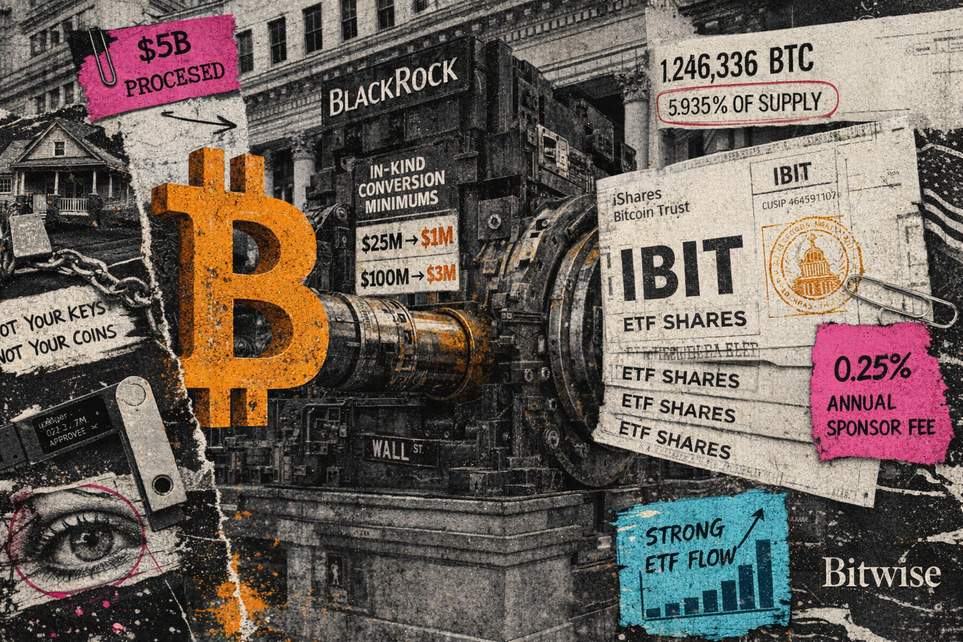
Big change: two major ETF shops quietly chopped their minimums for turning privately held Bitcoin into ETF shares, and this isn’t just a math problem for the ultra-wealthy anymore. BlackRock dropped its threshold from $25 million to $1 million, and Bitwise slashed theirs from about $100 million to $3 million. Suddenly that exclusive “only whales allowed” sign looks more like a velvet rope with a gap you can actually squeeze through. BlackRock says the program has processed more than $5 billion so far.
What actually changed (and why it matters)
Thanks to rules that now let crypto funds accept Bitcoin in-kind, institutional holders can hand over coins to an authorized participant and receive ETF shares directly — no selling for dollars, no wiring, no frantic reconversion. That single-step swap trims execution headaches and can postpone a taxable event for certain holders, though whether you dodge tax depends on your specific legal and tax setup (so, yes: talk to a real professional).
These in-kind creations used to be a bespoke, expensive service for the ultra-rich. With the new lower entry points and a few referral programs from big banks and custodians, the process is moving into wealth-management playbooks. Firms have also been speeding up onboarding times for eligible clients, sometimes cutting multi-week waits down by a lot.
Usage is ramping up. A growing share of ETF inflows and direct creations have been handled in-kind at firms across the market, and U.S. spot Bitcoin ETFs already custody a meaningful chunk of Bitcoin’s supply. One major ETF alone holds hundreds of thousands of BTC — a non-trivial slice of the available coins.
The trade-offs: less DIY drama, more institutional plumbing
Putting coins into an ETF is basically outsourcing security and operations. That’s both the appeal and the cost. On the pro side: you cut down on personal key risk, reduce exposure to physical coercion or home invasions targeting seed phrases, and move asset custody onto institutional rails. Some people find that trade-off worth the peace of mind.
On the con side: ETFs charge fees (for example, one large fund charges about 0.25% annually), you lose the freedom to move coins on-chain on a whim, and a lot of Bitcoin ends up concentrated with a relatively small roster of custodians. Analysts have flagged that a big share of ETF assets are linked to a single dominant custody provider in one way or another, although custody options do include a few alternative firms depending on the fund.
There’s also a darker motivator for some conversions: violent theft, home invasions, and ransom-related incidents targeting crypto holders have been reported more frequently. Independent security firms and blockchain analysts logged dozens of violent incidents and tens of millions of dollars in losses or demands in recent reporting periods, which helps explain why some holders prefer to shift assets into institutional custody.
Bottom line: self-custody isn’t gone — the Bitcoin protocol still gives anyone full control if they want it — but the road to handing custody to a fund is now a lot less exclusive. The new minimums are making in-kind ETF creations realistic for more wealthy clients and family offices, and several billion dollars of conversions show people are already using that option. If you’re considering the swap, remember you’re trading sovereignty for convenience (and paying a small toll in fees and counterparty concentration), so get the tax and security advice first.
