
SpaceX IPO Sparks $1B Crypto Frenzy Ahead of Nasdaq Debut
Crypto’s makeshift SpaceX market: perpetual futures blast off
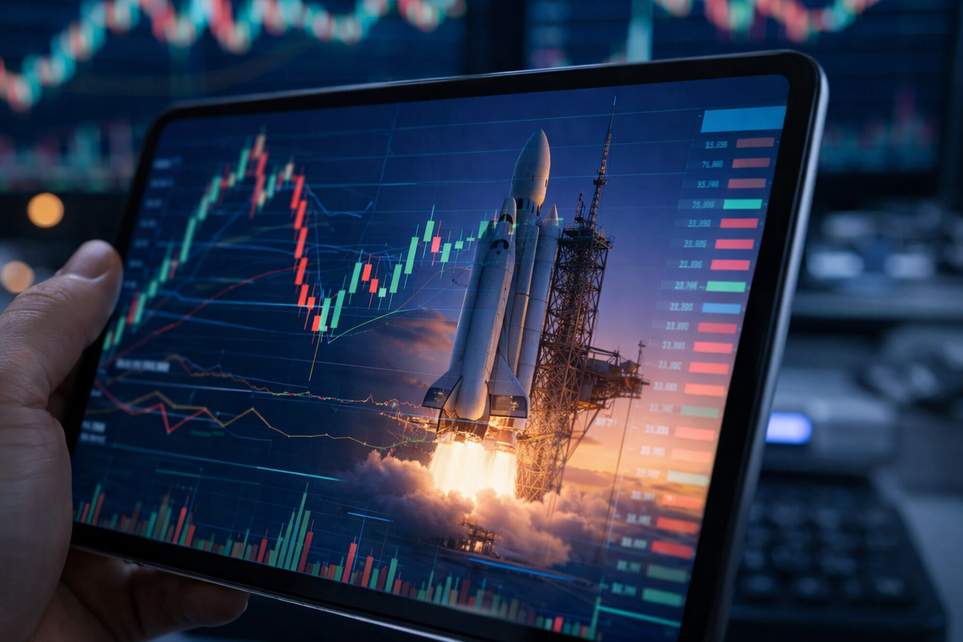
If you thought IPO mania only lived on Wall Street, think again. Traders in the crypto world have essentially built a live, 24/7 market for SpaceX ahead of its official stock debut. Over the past three days more than $1 billion has flowed through SpaceX-linked perpetual futures, and since late May cumulative turnover on those contracts has topped a few billion more. Open interest sits in the hundreds of millions — so yeah, people are putting real money where their rocket emojis are.
These SPCX-style contracts are synthetic bets tied to a pre-IPO valuation of the company. They don’t give you a share certificate, voting rights, or a private dinner with the board — just pure speculation. Perpetual futures never expire, but they bring funding fees, leverage, and the ever-terrifying possibility of liquidation. That mix is tailor-made for crypto traders who love nonstop price action and caffeine-fueled leverage decisions.
What started on niche platforms quickly spread to major exchanges, with some big centralized venues now accounting for a large chunk of trading. Early on, prices even blasted above the $220–$230 area as people priced in an enormous first-day pop. Lately that premium has cooled — the contract has been trading closer to the low-$160s, which sits above the IPO’s $135 listing price but far below those peak fantasies.
There’s even drama on the short side: at least one leveraged short position of several million dollars was flagged by market trackers, a reminder that the synthetic market isn’t just a one-way euphoria train — it’s a two-way battlefield full of margin calls and memes.
Why this is fun, risky, and a bit of a soap opera
So why are traders doing this instead of waiting for the actual stock? A couple of reasons: retail allocations in big IPOs are often tiny, the offering is massive and oversubscribed, and the futures let people express views immediately. For many, it’s the closest thing to trading SpaceX before any shares hit a public exchange.
But historical receipts say: don’t confuse excitement with guaranteed gains. Big tech IPOs often come with gut-check volatility. Analyses of past high-profile listings show the typical first-year path can include steep drawdowns — sometimes a third or more off the debut highs, and occasionally much worse — before any eventual rebound for winners. Plenty of once-beloved debuts took investors on a roller coaster that would make even the calmest astronaut queasy.
There are other brakes on the rocket as well. The formal offering was set at $135 a share, implying a valuation in the neighborhood of roughly $1.7–$1.8 trillion. Underwriters reportedly saw hundreds of billions in demand for a planned multi-billion-dollar raise, which left many retail buyers under-allocated and nudged some of that fever into synthetic markets. Critics point out that the starting valuation is gigantic compared with what previous tech giants held at IPO, leaving less upside if growth stumbles.
On the political front, the listing has attracted attention from regulators and lawmakers, with concerns about governance, concentrated control, special voting shares, and the chance that big index funds will passively shove exposure onto millions of investors who never chose it. Calls have gone out for regulators to take a closer look before letting the rocket fully launch onto public markets.
Bottom line: the crypto futures market is giving us a loud, messy, highly leveraged preview of what people think SpaceX might be worth the moment it becomes tradable. It’s entertaining, it’s informative in a rough way, and it’s also a reminder that speculation and actual long-term investing are different sports. If you’re tempted to join the fun, bring a helmet — and maybe a stop-loss.
