
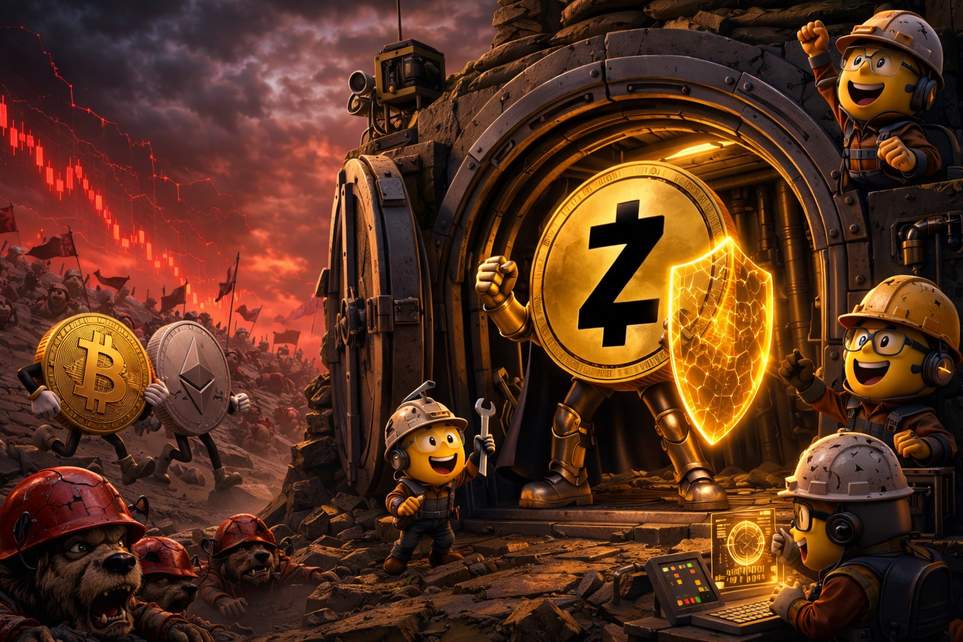
Zcash Rumor Panic — Then a Weird Rally: What Really Happened
Short version: Zcash briefly looked like it had fainted, markets freaked out, and then a weirdly happy plot twist sent its price up while much of crypto slid. No, the chain didn’t actually stop — a privacy feature was temporarily shut down while engineers raced to patch a gnarly bug.
The scare, the patch, and how the network actually behaved
Early chaos began when some block explorers stopped showing new activity after an emergency upgrade. That made parts of the internet act like the blockchain was asleep — but miners were still mining and transactions were still confirming. The culprit wasn’t a full halt, it was stale or unpatched infrastructure giving a misleading picture.
Developers had deliberately disabled Orchard, Zcash’s newest privacy pool, using an emergency soft fork so they could fix a bug in the zero-knowledge proving setup without broadcasting the flaw to would-be attackers. The bug affected the soundness of Orchard’s proof circuit — basically, the rules that make sure only valid transactions get accepted. Left unpatched, it might have allowed double-spending inside Orchard’s shielded pool (not printing new ZEC out of thin air thanks to the network’s supply checks).
An independent researcher discovered the issue and the team coordinated privately with miners, exchanges, and infrastructure providers to limit exposure. The fix unfolded in two steps: first a soft fork to disable the risky Orchard transactions while a confidential response was prepared, then a hard fork that re-enabled Orchard with a corrected proving circuit. Node software was updated and operators were urged to run the new release so everyone followed the same rules.
For context, Orchard is a major part of Zcash’s privacy tech — introduced after the last big upgrade, it uses Halo 2 and avoids a trusted setup, which many privacy folks see as a design advantage. The incident was significant but contained: privacy for other transaction types wasn’t compromised, and the total supply cap checks kept the overall money supply intact.
Why the price jumped while the rest of crypto slid
The timing was wild. The broader market was under pressure from geopolitical jitters and liquidation cascades, so many big tokens were falling. Against that backdrop, ZEC popped because traders focused on the upside: the bug was found quickly, disabled before exploitation, and then fully fixed — a tidy containment story that markets often reward.
There’s also a narrative angle: privacy tech is a hot ticket. Investors who believe demand for zero-knowledge privacy will grow — thanks to data concerns, regulation dodge? — saw the quick resolution as evidence that Zcash’s tech and governance can handle crises. In short, it was relief + speculation + a little bit of FOMO squeezing a rally out of a crisis.
Takeaway: the blockchain didn’t collapse — the dashboard did. Zcash’s emergency choreography showed how an open crypto project can move fast behind the scenes to avoid catastrophe. And for traders on a bad day for crypto, that was good enough to make ZEC one of the few winners.
