
Russia Flipped the Crypto Switch — But the Market’s Still in Beta
What actually changed on Sept. 1
Russia put a new crypto law into effect on Sept. 1, formally folding digital currencies into the country’s regulated financial world. The legislation (Federal Law No. 282-FZ) gives cryptocurrencies an official spot on the playground and sets the stage for regulated activity through brokers, exchanges, management companies, digital depositories and organized trading venues.
Sounds like a grand opening, right? Sort of. The law creates the legal framework — the blueprint for a proper market — but a lot of the nuts and bolts that let ordinary people actually buy, sell and use crypto are still being drawn up.
Why you probably can’t buy your coffee with crypto (yet)
Here’s the catch: the central bank and regulators are still finishing the operational rules. They’re deciding which coins regular investors will be allowed to buy, how prices on trading platforms will be calculated, and what capital buffers digital depositories need to hold. Several key measures were still being finalized as the law took effect.
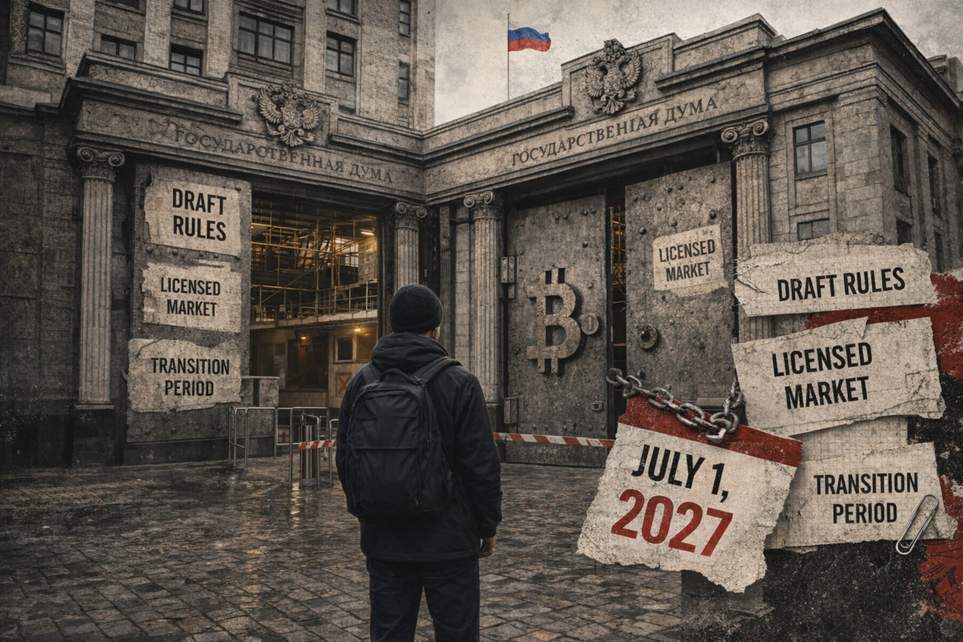
Companies in the space aren’t expected to be fully compliant overnight either — firms have until July 1, 2027 to secure licenses and meet the new rules. And some parts of the law don’t kick in until July or September of 2027, so Sept. 1 is more like the opening of a construction site than a finished mall.
Until the framework is translated into working rules and licensed firms are up and running, investors won’t have wide access to trading venues. The immediate win is legal clarity about the direction the authorities want to take. The follow-up — actual places to trade — is still coming.
The law also keeps a firm line on everyday payments: cryptocurrencies, including Bitcoin and stablecoins, remain banned for buying goods and services inside Russia. Their permitted use is narrower: exporters and importers can use crypto for cross-border settlements, and investors should eventually be able to trade through supervised intermediaries.
Retail access will come with strings attached. Non-qualified (retail) investors must pass a test and are currently limited to buying no more than ₽300,000 worth of eligible crypto per year through each intermediary. Qualified investors have to take a test as well but don’t face the same monetary ceiling. Which coins will be labeled “eligible” is still being debated — the central bank has floated letting Bitcoin, Ethereum and USDT in, but that’s part of draft rules, not a done deal.
So: legally, the door to a regulated crypto market has been unlatched. Practically, much of the hallway is still under renovation. If you like metaphors: Russia turned on the lights and handed out hard hats — the party starts when the scaffolding comes down.
